They laughed when they fired me, the sound sharp enough to follow me down the elevator shaft and into the street like static I couldn’t turn off. HR called it restructuring; Derek called it necessary. I called it a miscalculation. Paper doesn’t forget, and neither did I. Every late-night audit, every buried discrepancy, every quiet transfer of proxy rights waited in a folder named after a joke they’d once made about my “obsessive spreadsheets.” On Thursday at nine a.m., the numbness cracked, the last email left my outbox, and the countdown to their surp…
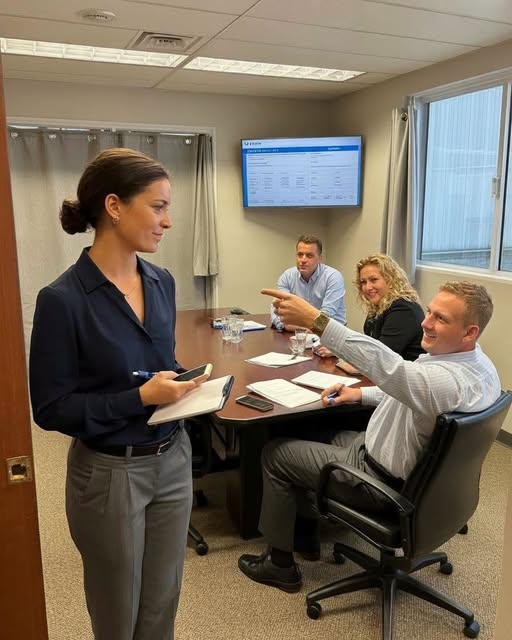
The boardroom’s glass walls didn’t make it transparent; the ledger did. Faces I used to avoid now watched me with a mix of calculation and unease as my name appeared on the screen, bracketed by the only figure that mattered: ninety percent. Derek’s voice, once a constant in every meeting, shrank into silence when the legal counsel confirmed what the documents had already decided: I had quietly accumulated the voting rights he’d treated as background paperwork. Authority, it turned out, was not a tone of voice, or a corner office, or a habit of interrupting. It was signatures, risk, and who had stayed long enough to hold the consequences. His allies scanned their phones for an escape clause that didn’t exist. The motion to remove him wasn’t a shout; it was a line of text, seconded before he could finish objecting. By the time the vote closed, the only thing left of his certainty was the trem…
His removal wasn’t a cinematic victory. It was a series of signatures, amended policies, and long nights untangling the damage he’d called “efficiency.” I walked the factory floor, listened to the people who kept the place alive, and rewrote timelines that had once treated safety as an afterthought. The same spreadsheets he’d used to justify cutting corners became the map for restoring what he’d hollowed out. Each correction felt less like revenge and more like stitching a wound that had been left open too long.
The laughter from the day they fired me never really stopped echoing; it just changed pitch. Some of the same voices now called me “Chair,” their deference edged with the memory of how wrong they’d been. I didn’t bother correcting them or pretending we were equal partners in this recovery. The truth was simple: I had left as a cost to be written off and returned as the person holding the pen. And for the first time, the company felt less like a stage and more like a promise finally kept.
Leave a Reply